
“Better a Lion’ s Day than a hundred years of chacals”
By Savvas Michael-Matsas
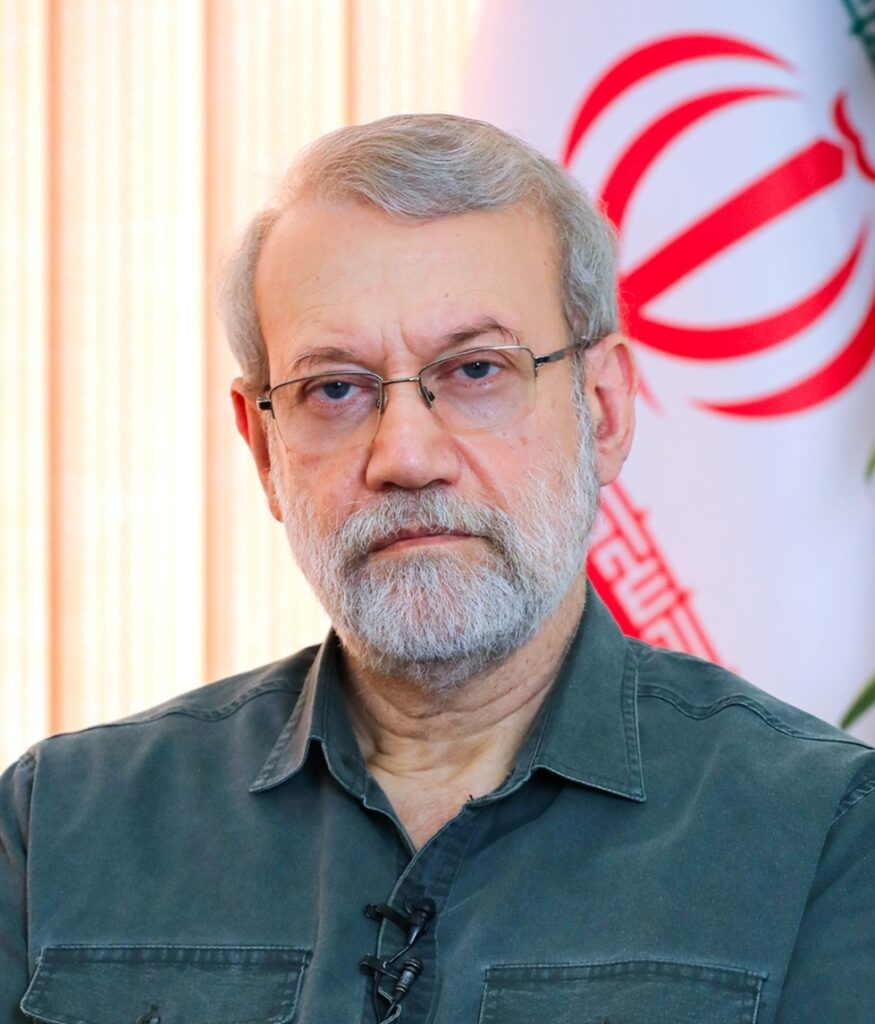
The mainstream press dedicated many obituaries praising the German philosopher Jürgen Habermas, recently dead at the age of 97. On the contrary for the Iranian philosopher and leader Ali Lanjani, murdered by the Zionist State terror machine the same days, at the age of 67, together with his son and other officials, the Western Press (including the Greek media) published only usual propaganda lies about “a ruthless butcher and Islamist fundamentalist”… A rare exception, on the eve of this murder, was the article by the Israeli Gid’on Lev, published in the Israeli newspaper Haaretz on March 14, 2026. Its title tells a lot: “Ruthless Leader and Brilliant Philosopher: Who Is Ali Larijani, Iran’s Most Powerful Man?”
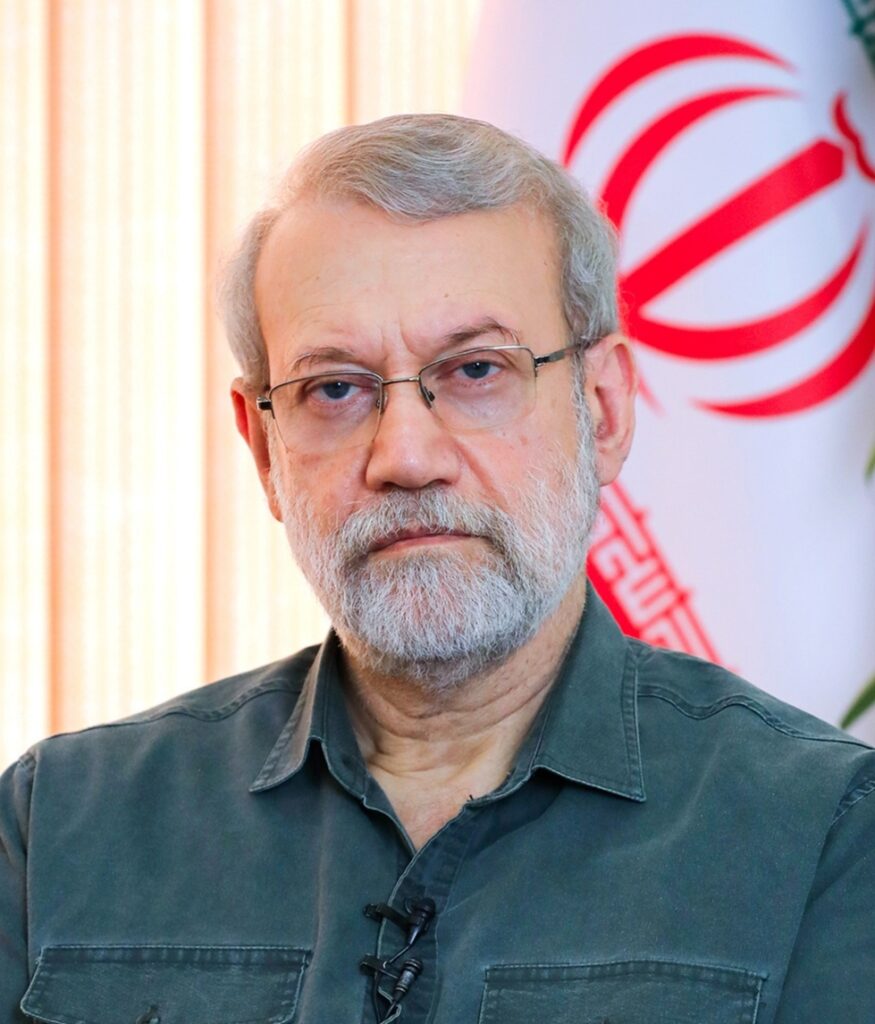
Lev’s article includes many of the common Zionist false accusations about Larijani’s politics. But it is noteworthy that his article focus primarily on the important philosophical work of the Iranian leader, providing insights about the complexities of the Iranian regime and the deeper philosophical research of truth and spiritual concerns of the Islamic Iranian Revolution- what precisely Michel Foucault , in his articles of the revolutionary period of 1978-79 had called “political spirituality”.
Ali Larijani was not solely an expert on Kant’s philosophy of mathematics, revealing the complex connections between Kantian metaphysics, political theory and theology on the path to European Enlightenment. The Iranian scholar’s research did not only investigate the field of analytical philosophy dominating the Anglo-Saxon tradition. Above all he addressed the main philosophical challenge facing the most conscious sectors at the leadership of Iran : how to solve the complexities between the legacy of Tradition and the demands of Modernity, overcoming the limits both of Tradition and of (Western capitalism’s domination of) Modernity today ?
Larijani, as well as others scholars in the Islamic Republic, has posed, at a new level, the questions posed in the past by Islamic philosophy and particularly by the Arab Muslim and Jewish philosophers in al- Andalus such as ibn Rushd/Averroes and Moshe ben Maimon /Maimonides . In this turn, Plato and Aristotle come at the center of a renewed study, starting from Ayatollah Khomeini himself studying Plato’s “Republic” to Larijani and others( dead or still alive).
It is not a need for legitimation but the pressures of the present , the crisis of late bourgeois modernity clashing with its historic limits that drive Ali Larijani’s research of “the unity of truth in its diverse aspects’, as he wrote, rejecting the fallacy of a “double truth” of religion and science.
Undoutedly such a research of truth is more thought provokiing, than the open break from “Critical Theory” marked by late Habermas, his Eurocentrism, his defense of Zionism’s genocide in Gaza , his liberal apologetics of the collapsing post World War II “international Rule(r) s order” …